• Skip to main content
  • Skip to after header navigation
  • Skip to site footer
Our history archive

Our History

Our History Archive, where history comes to life

  • Home
  • Colonisation
  • World History
  • Civil Rights
  • World cultures
  • Features
  • Wellbeing
  • Popular Culture

A vote of her own

Features
6 February, 2018

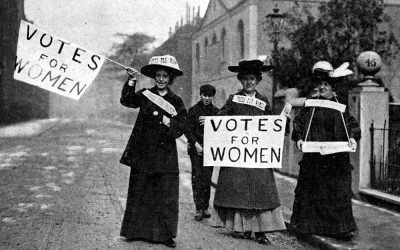
6 February 2018 marked 100 years since the Representation of the People Act 1918 – the act which allowed some women in the UK the right to vote. This was a major landmark in the history of our democracy.

Influential consideration

Only 58% of the adult male population was eligible to vote before 1918. An influential consideration, in addition to the suffrage movement and the growth of the Labour Party, was the fact that only men who had been resident in the country for 12 months prior to a general election were entitled to vote.

This effectively disenfranchised a large number of troops who had been serving overseas in the war. With a general election imminent, politicians were persuaded to extend the vote to all men and some women at long last.


Representation of the People Act 1918
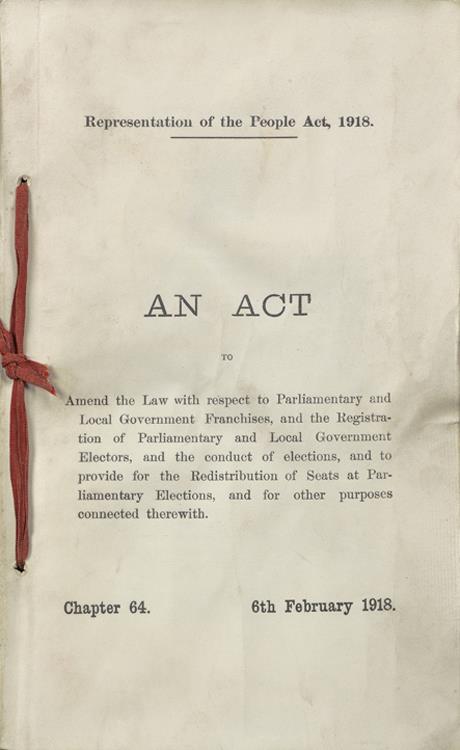
In 1918 the Representation of the People Act was passed which allowed women over the age of 30 who met a property qualification to vote. Although 8.5 million women met this criteria, it only represented 40 per cent of the total population of women in the UK.

The same act abolished property and other restrictions for men and extended the vote to all men over the age of 21. Additionally, men in the armed forces could vote from the age of 19. The electorate increased from eight to 21 million, but there was still huge inequality between women and men.

Why women needed the vote
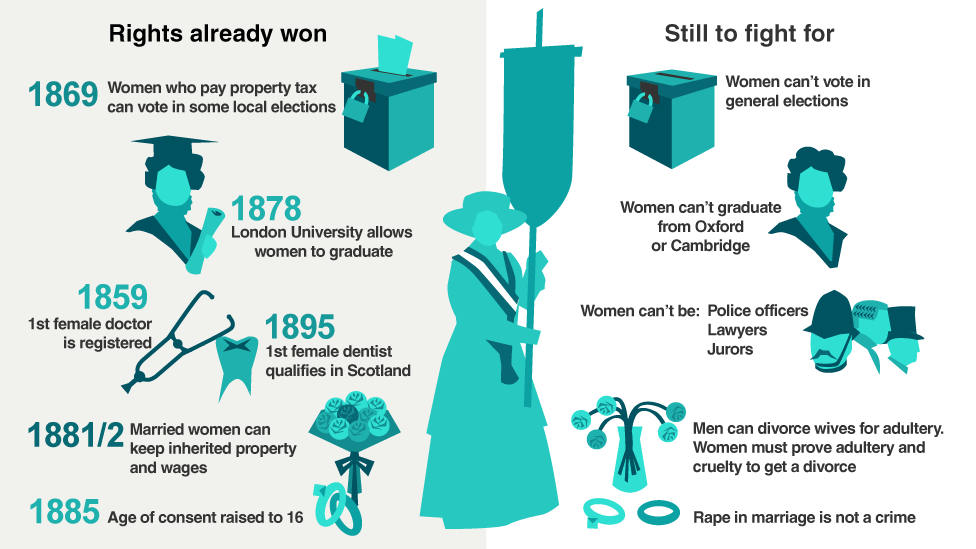
Women had argued for – and won – new rights in the 19th Century. However, without the vote campaigners thought there was little incentive for politicians to improve the lives of women further. They believed MPs only cared about issues that affected the men who were able to vote for them.


Equal Franchise Act 1928

It was not until the Equal Franchise Act of 1928 that women over 21 were able to vote and women finally achieved the same voting rights as men. This act increased the number of women eligible to vote to 15 million.

Share this:

  • Share on Facebook (Opens in new window) Facebook
  • Share on X (Opens in new window) X
  • Share on Reddit (Opens in new window) Reddit
  • Share on Pinterest (Opens in new window) Pinterest
  • Share on WhatsApp (Opens in new window) WhatsApp

Related

You May Also Like…

More details Jesse Jackson surrounded by marchers carrying signs advocating support for the Hawkins-Humphrey Bill for full employment,

Keep hope alive: The rise, power, and legacy of Jesse Jackson

The revolutionary icon: Ernesto "Che" Guevara

Ernesto “Che” Guevara: : The revolutionary icon

Portrait of Bartolomé de Las Casas (c.1484 - 1566)

Bartolomé de las Casas and the birth of human rights

William Randolph Hearst

William Randolph Hearst: The king of Yellow Journalism


Reader Interactions

Leave a ReplyCancel reply

Sidebar

This Day In History

Events in History
On this day in 1857 The Second Opium War began when Britain declared war on China.
On this day in 1939 Mahatma Gandhi began a fast in Bombay to protest against autocratic rule in India.
On this day in 1991 Los Angeles police officers severely beat motorist Rodney King. The beating was captured on video and later led to riots when the police officers were acquitted.
More details Jesse Jackson surrounded by marchers carrying signs advocating support for the Hawkins-Humphrey Bill for full employment,

Keep hope alive: The rise, power, and legacy of Jesse Jackson

The revolutionary icon: Ernesto "Che" Guevara

Ernesto “Che” Guevara: : The revolutionary icon

Portrait of Bartolomé de Las Casas (c.1484 - 1566)

Bartolomé de las Casas and the birth of human rights

Trending

  • The rise and fall of the Persian Empire
    The rise and fall of the Persian Empire
  • The major branches of Islam: History, beliefs, and differences
    The major branches of Islam: History, beliefs, and differences
  • Operation Ajax and the shadow of empire: The 1953 Iranian coup
    Operation Ajax and the shadow of empire: The 1953 Iranian coup
  • Understanding Sharia Law: Principles, practice, and global context
    Understanding Sharia Law: Principles, practice, and global context
  • The colonisation of India
    The colonisation of India
  • The rise and fall of the Ottoman Empire: Six centuries of imperial power
    The rise and fall of the Ottoman Empire: Six centuries of imperial power
  • The First Red Scare: America's post-WWI fear of Communism and radical change
    The First Red Scare: America's post-WWI fear of Communism and radical change
  • Mexican culture: A living mosaic of civilisations, faith, and tradition
    Mexican culture: A living mosaic of civilisations, faith, and tradition
  • History of the Chagos Islands: A tale of colonialism
    History of the Chagos Islands: A tale of colonialism
  • How historical racial theories shaped modern inequality
    How historical racial theories shaped modern inequality

Connect

  • YouTube
  • TikTok
  • Bluesky

ABOUT

CONTACT

PRIVACY POLICY

COOKIES

Copyright © 2026 · Our History · All Rights Reserved