
Whether traditional, international or national, special days play an essential role in our lives. Unlike traditional days like Mother’s Day, April Fools or Samhain, international days are specially chosen by UNESCO, like the Day of the Girl and International Women’s Day.
Commemorating days like the Festival of Colours, Armistice Day, St George’s Day and others unite people, promote cultural awareness and remind us of significant historical moments. This blog post delves into the importance of celebrating such occasions and their impact on society.
Unity and social cohesion
Marking international and national days fosters social cohesion by bringing people from diverse backgrounds together. These celebrations often transcend borders and act as a unifying force for nations and communities alike. By participating in shared activities such as parades, ceremonies, and discussions related to specific days, we strengthen bonds between different cultural groups.
Cultural appreciation
Observing these special days exposes us to unfamiliar customs from across the globe. This helps us appreciate the diverse cultural wealth that exists in society. For instance, Samhain, an ancient Celtic festival celebrating the end of the harvest season, enables those unfamiliar with Celtic culture to learn about their traditions by exploring local mythology, creating unique foods or partaking in symbolic bonfires.
Preserving history
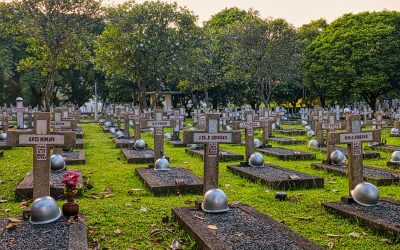
Commemorating international and national days serves as a mechanism for preserving history. It provides us with an opportunity to reflect on significant events that have shaped our world today. Armistice Day is one such example; honouring the end of World War I encourages future generations to remember the sacrifices made by brave servicemen and women. Additionally, these historical reflections inspire conversations around peacebuilding efforts in contemporary times.
Education and awareness
Special days are powerful platforms for raising awareness about critical issues or causes at both regional and global levels. The Day of the Girl is recognised across the globe on 11 October each year to highlight challenges faced by girls worldwide and promote their empowerment. Through campaigns led on this day, governments and organisations work to improve gender equality, access to education, and healthcare for girls.
Economic impact
Celebrations surrounding international and national days also have positive economic implications. Various businesses benefit from selling themed merchandise or seasonal products associated with particular days. The tourism industry, for instance, may thrive during festivities marked by tourists visiting celebratory venues or historic sites.
International and national days provide invaluable opportunities for unity, cultural appreciation, education, and preserving history. By participating in these commemorations, we celebrate our shared humanity while gaining a deeper understanding of the world around us. So go ahead – join in on the next special day and embrace the diversity and richness that it offers!


Leave a Reply